What is the sin of pride?
Pride (Latin superbia, "being above") is the deadly sin of placing yourself at the center of everything. It is more than confidence. Pride is the conviction that you deserve more admiration, more deference and more credit than other people, and the discomfort that follows whenever reality disagrees.
In the classic list of the 7 deadly sins, pride usually comes first. Pope Gregory the Great described it as the "queen" of the vices, the root from which vainglory, envy, anger and the rest grow. Thomas Aquinas agreed that pride is the beginning of every sin because it turns a person away from anything greater than the self.
Signs of pride in everyday life
You rarely meet pride in a crown and robe today. These are the signs that spiritual writers and psychologists point to most often:
- Needing to be right. Losing an argument feels like a personal defeat, so you dig in even when you suspect you are wrong.
- Fishing for recognition. You notice who liked, shared or praised your work, and who did not.
- Difficulty apologizing. "Sorry" comes out late, qualified, or not at all.
- Quiet ranking. You size people up by looks, status, intelligence or taste, and you tend to come out on top.
- Defensiveness about feedback. Criticism lands as an insult rather than information.
- Curated image. Social media becomes a highlight reel built to impress rather than to connect.
- Comparing down. You feel best about yourself when someone else looks worse.
- Refusing help. Asking for directions, advice or support feels like admitting weakness.
Pride also has quieter cousins. It shares a root with greed: both treat other people as instruments, either for admiration or for gain. And sloth can be pride in disguise, because refusing to try is sometimes a way of refusing to risk looking ordinary.
Psychologists separate authentic pride (satisfaction in real effort and achievement) from hubristic pride (a sense of superiority tied to arrogance and lower empathy). The deadly sin is the second kind.
Pride vs healthy confidence
Not all pride is the deadly kind. Healthy confidence says "I did good work"; deadly pride says "I am better than you." A few practical tests help tell them apart:
- Feedback: confidence can hear criticism and improve; pride hears an attack.
- Credit: confidence shares it easily; pride needs to be the source of every success.
- Other people's wins: confidence can celebrate them; pride feels diminished by them.
- Mistakes: confidence admits them and moves on; pride explains them away.
If you mostly land on the confident side, a high Pride score may simply reflect high standards. If several of the pride signs sound familiar, humility is the virtue to practice.
Pride in tradition and history
Ancient Greeks called it hubris, the arrogance that provokes the gods and leads to downfall, as in the stories of Icarus and Narcissus. Scripture returns to the theme again and again: Proverbs 16:18 warns that "pride goes before destruction, and a haughty spirit before a fall"; 1 John 2:16 lists "the pride of life" among the things that are not from God; and James 4:6 says that "God opposes the proud but gives grace to the humble." Augustine, in The City of God (Book XIV), defined pride as a craving for undue exaltation and, quoting Ecclesiasticus 10:13, called it "the beginning of all sin."
In Dante's Purgatorio, the proud carry heavy stones on their backs so they are forced to look down, and Lucifer's fall from heaven is told as the ultimate story of pride.
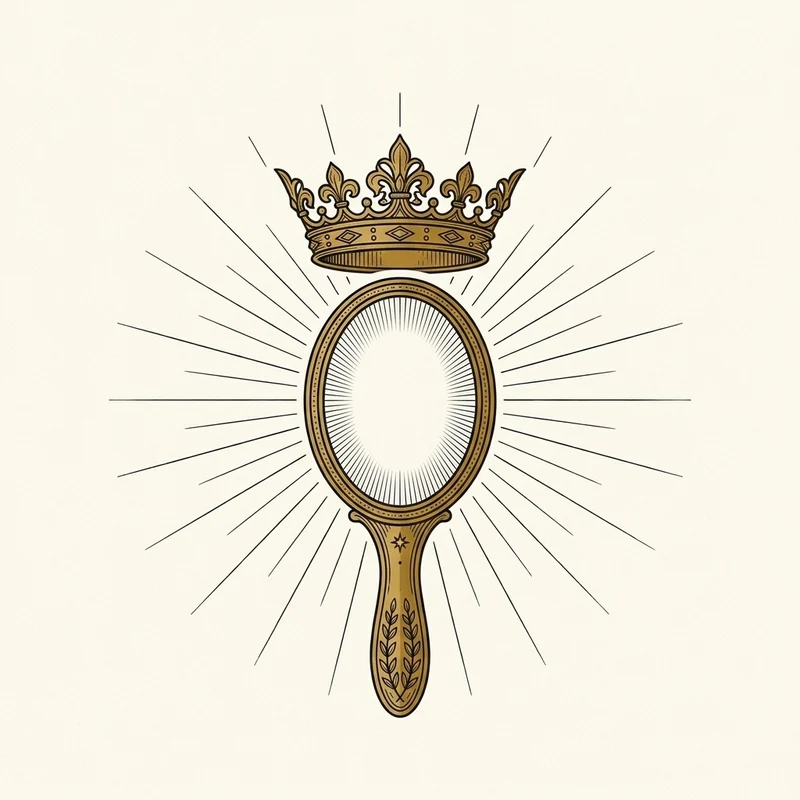
In medieval art pride is often a richly dressed figure admiring herself in a mirror. Modern pop culture keeps the theme alive in every villain who cannot accept being second best.
The strengths hidden inside pride
People with a high Pride score in our 7 deadly sins test often share real strengths: self-belief, high standards, a willingness to lead and the courage to take visible risks. The goal is not to crush those traits but to keep them from hardening into arrogance.
How to balance pride with humility
Humility, the opposite virtue, is a practice rather than a feeling:
- Ask for feedback and only say thank you. No explaining, no defending — just let it land.
- Give credit early and by name. Say who helped before anyone has to ask.
- Be curious about people you would normally rank below you. Everyone knows something you do not.
- Apologize cleanly. "I was wrong, I'm sorry" with no "but" attached.
- Notice performance mode. When you catch yourself trying to impress, switch to trying to understand.
Pride often travels with Envy and Wrath: when your image is threatened, comparison and anger follow. If your result showed pride and wrath close together, read both guides.
Curious how much pride is in your own profile? The 7 deadly sins test shows your percentage for pride alongside the other six sins.