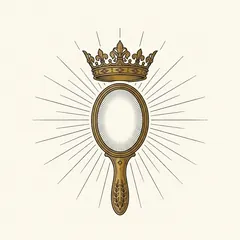
 Pride
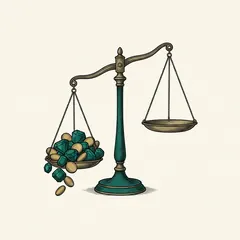 Greed
 Wrath
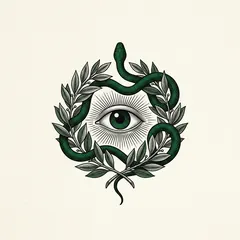 Envy
 Lust
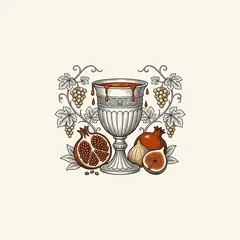 Gluttony
 Sloth
The short answer
The 7 deadly sins are Pride, Greed, Wrath, Envy, Lust, Gluttony and Sloth. They are also called the capital vices or cardinal sins. "Capital" comes from the Latin caput, meaning head: each one is considered a source that leads to other wrongdoing. Each sin has an opposite virtue that balances it: humility, charity, patience, kindness, chastity, temperance and diligence.
Each sin in one sentence
- Pride (superbia): an inflated sense of your own importance and a need to be admired and to be right. Its opposite, humility, means seeing yourself accurately.
- Greed (avaritia): wanting and hoarding more money, possessions or status than you need. Charity answers it by turning possessions into gifts.
- Wrath (ira): anger that is out of proportion, lingers, or seeks revenge. Patience keeps the energy of anger but slows it down.
- Envy (invidia): resenting someone else's good fortune as if it were your loss. Kindness replaces resentment with genuine goodwill.
- Lust (luxuria): self-centered desire for pleasure or another person that overrides judgment. Chastity, or self-control, keeps desire honest and respectful.
- Gluttony (gula): overindulgence in food, drink or comfort beyond what you need. Temperance restores the right amount.
- Sloth (acedia): a listless indifference that avoids effort and the things that matter. Diligence answers it with steady, caring effort.
Where the 7 deadly sins come from
The idea began in the 4th century with Evagrius Ponticus, a monk in the Egyptian desert who described eight "evil thoughts" (logismoi): gluttony, lust, avarice, sadness, anger, acedia, vainglory and pride. His student John Cassian brought the list to the Latin West.
Around 590 AD Pope Gregory I (Gregory the Great) reworked it in his Moralia in Job. He set pride apart as the root and "queen" of every vice, folded acedia into sadness, added envy, and named seven offspring: vainglory, envy, anger, sadness, avarice, gluttony and lust. Later writers merged vainglory back into pride and replaced sadness with sloth. In the 13th century Thomas Aquinas analyzed the capital vices in detail in his Summa Theologiae, and the familiar modern list became standard.
The 7 deadly sins in Dante and art
Dante Alighieri's Purgatorio (early 14th century) turned the sins into a mountain of seven terraces, from the heaviest sin at the bottom to the lightest at the top: pride, envy, wrath, sloth, avarice, gluttony and lust. Souls are purified by penances that mirror their sin — the proud carry heavy stones, the envious have their eyes sewn shut, the slothful run without rest.
Painters and writers kept the theme alive: Hieronymus Bosch's Table of the Seven Deadly Sins, Pieter Bruegel the Elder's engravings, Chaucer's Parson's Tale, Spenser's Faerie Queene and, more recently, films, anime and games that give each sin a face.
Deadly sins vs. heavenly virtues
Traditionally each sin is countered by a specific virtue. Humility answers pride, charity (generosity) answers greed, patience answers wrath, kindness answers envy, chastity (self-control) answers lust, temperance answers gluttony and diligence answers sloth. These pairings come from later tradition, inspired by the early Christian poem Psychomachia by Prudentius, which stages a battle between virtues and vices.
How the 7 Deadly Sins Test measures each sin
Our 7 deadly sins test turns the list into a short self-report questionnaire. It works like this:
- 28 first-person statements, four for each sin, written as everyday behaviors (for example, "Admitting I was wrong feels genuinely painful to me" for pride, or "I put off important tasks even when I know they matter" for sloth). The statements are mixed so the same sin never appears twice in a row.
- A five-point agreement scale for every statement: Strongly disagree = 0, Disagree = 1, Neutral = 2, Agree = 3, Strongly agree = 4.
- Independent scores. Each sin adds up its four answers (0 to 16 points) and shows the result as 0 to 100%. Because every sin is scored on its own, someone can score high in several sins or low in all of them; the seven numbers do not have to add up to 100%.
- Primary and secondary sin. The highest score is your primary sin and the next highest is your secondary sin.
- Overall Sin Index. Your total points divided by the 112-point maximum gives one overall number.
As a rough guide, 0–34% reads as low, 35–64% as moderate and 65–100% as high. All scoring happens in your browser, and the result is a mirror for self-reflection, not a psychological diagnosis.
Why the 7 deadly sins still matter
Strip away the medieval language and the list reads like a map of modern temptations: status anxiety, consumerism, outrage culture, social comparison, instant gratification, overconsumption and procrastination. That is why psychologists, writers and everyday people still use it as a mirror for habits worth noticing.
Modern psychology has its own versions of the same ideas. The "dark triad" of narcissism, Machiavellianism and psychopathy lines up closely with pride, greed and wrath, which you can explore in our Dark Triad Quick Check. Carl Jung's idea of the shadow, the side of ourselves we would rather not see, is the theme of our Shadow Archetype Finder, where each archetype is built around one of the deadly sins.
Want to see which one shapes you most? Take the free 7 deadly sins test — 28 quick statements with an independent score for every sin. Then flip the mirror with the 7 Heavenly Virtues Test.